The House Committee on Agriculture asks a nonprofit to testify before the Subcommittee on Forestry and Horticulture on partnerships with the U.S. Forest Service.
News Release | 24 June, 2026
Vancouver, WA – Representative Andrea Salinas (OR) called on Molly Whitney, Executive Director of the Vancouver-based conservation non-profit, Cascade Forest Conservancy (CFC), to provide testimony before the U.S. House of Representatives Committee on Agriculture’s Subcommittee on Forestry and Horticulture at an upcoming hearing reviewing the role of stakeholder partnerships in managing the National Forest System.
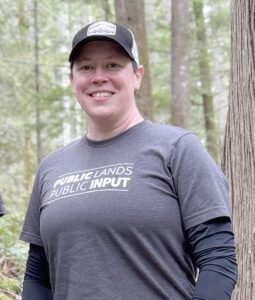
Whitney says she is grateful to Representative Salinas for the opportunity to discuss the importance of maintaining funding for the Forest Service, the need to protect opportunities for meaningful public input in timber sale planning processes, and the growing challenges to productive partnerships that groups like hers have with agency officials.
Whitney will submit testimony and answer Committee members’ questions on Thursday, June 25, as a participant in a four-person panel discussing conditions on the ground for stakeholders interacting with the U.S. Forest Service. The other three panel participants are Modoc County (CA) Supervisor, Ned Coe, Travis Joseph of the American Forest Resource Council, and President of the Western Sheriffs Association, Sheriff Tracy Glover, of Kane County, UT.
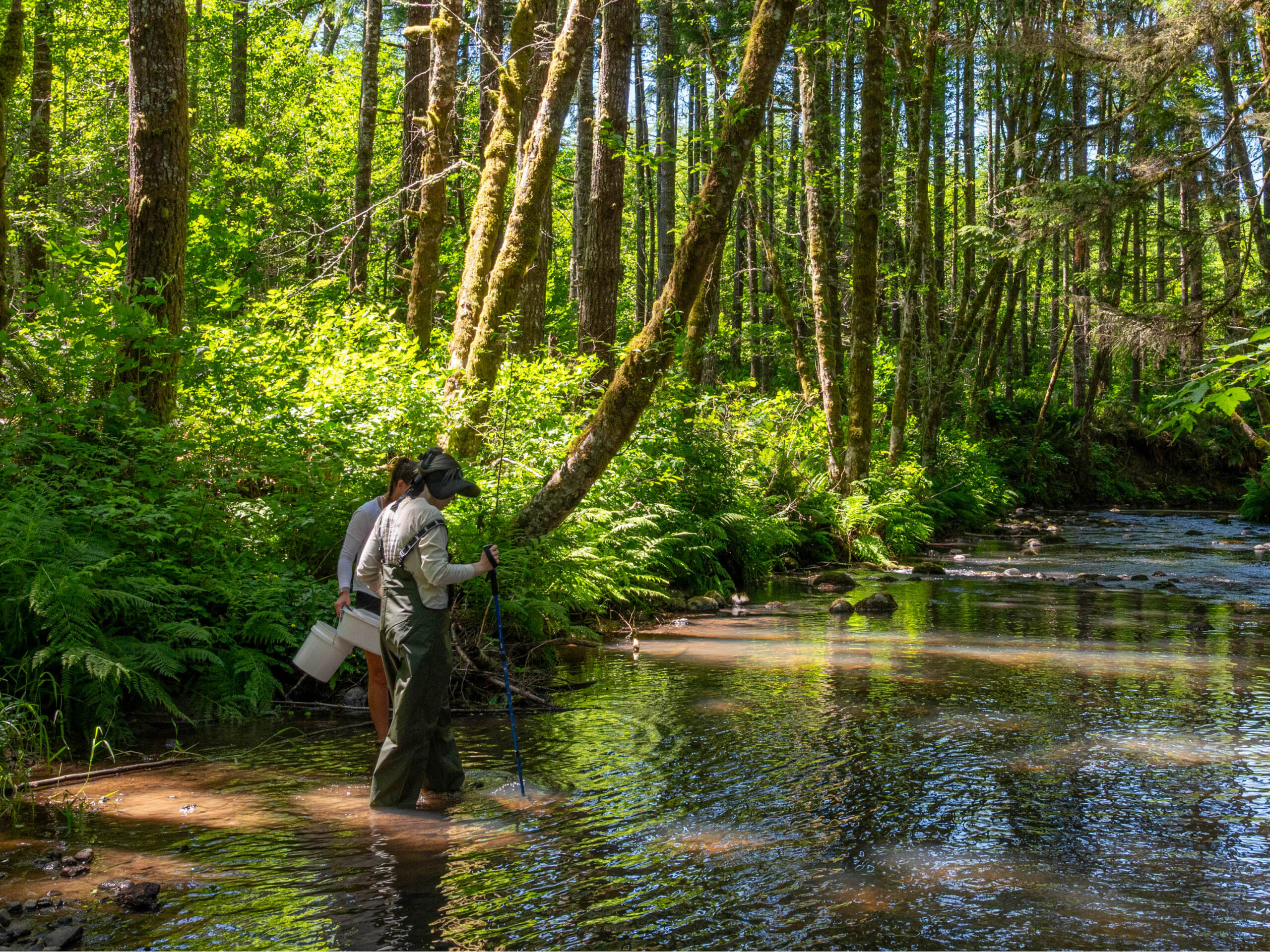
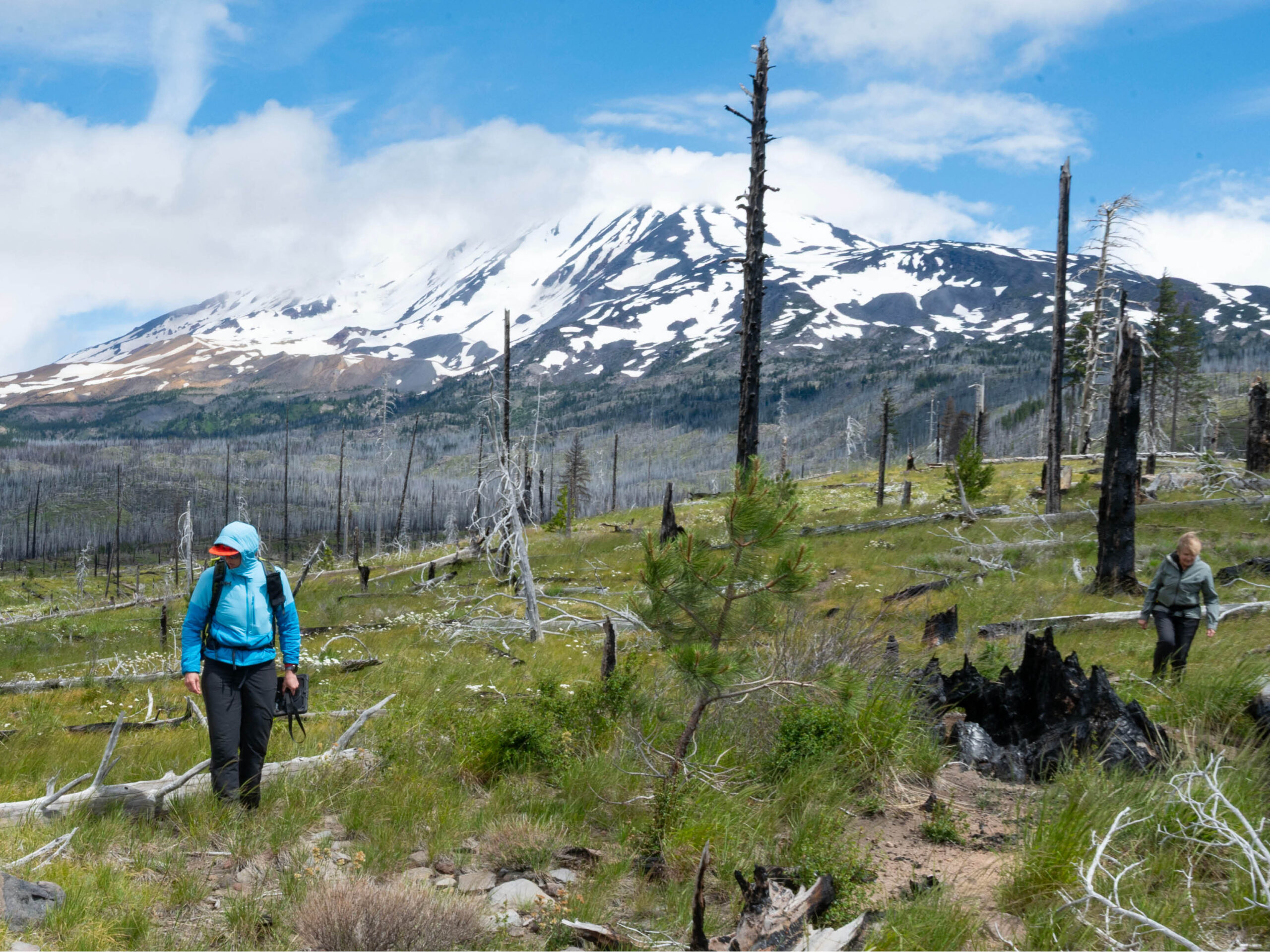
In remarks prepared for Thursday’s hearing, Whitney states that in the past, Cascade Forest Conservancy’s oversight and accountability role put the organization at odds with the Forest Service, but today, her organization increasingly engages with the agency as a collaborative partner. She notes that Cascade Forest Conservancy and Forest Service officials are frequent collaborators who work together to tackle shared habitat restoration priorities and programs connecting volunteers and local students to unique opportunities on the National Forest. She also plans to highlight the successes of forest collaboratives operating in SW Washington’s Gifford Pinchot National Forest. These organizations are described as “collaborative stakeholder groups that provide feedback throughout Forest Service project planning to develop well-balanced, publicly supportable projects and iron out conflicts without slow, costly litigation.”
But staff at Cascade Forest Conservancy say that these collaborative relationships are becoming increasingly strained. In prepared oral testimony, Whitey states that “due to uncertainty, organizational restructuring, and staffing cuts at the national level, our local Forest Service’s ability to plan, collaborate, and execute projects effectively is being critically compromised.” She adds that her organization has seen the agency increasingly rely on tools to exclude projects from public input and environmental review requirements.
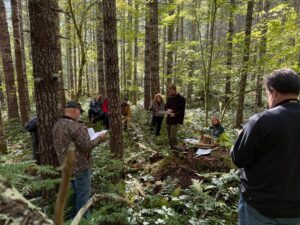
According to Whitney, “public input and collaboration help project planners identify problems and strengthen projects early in the planning process. When opportunities for public input and collaboration no longer exist, litigation becomes the only tool we have to ensure projects meet legal standards, so shortcuts that sacrifice transparency may actually hinder progress instead of speeding things up.”
#######